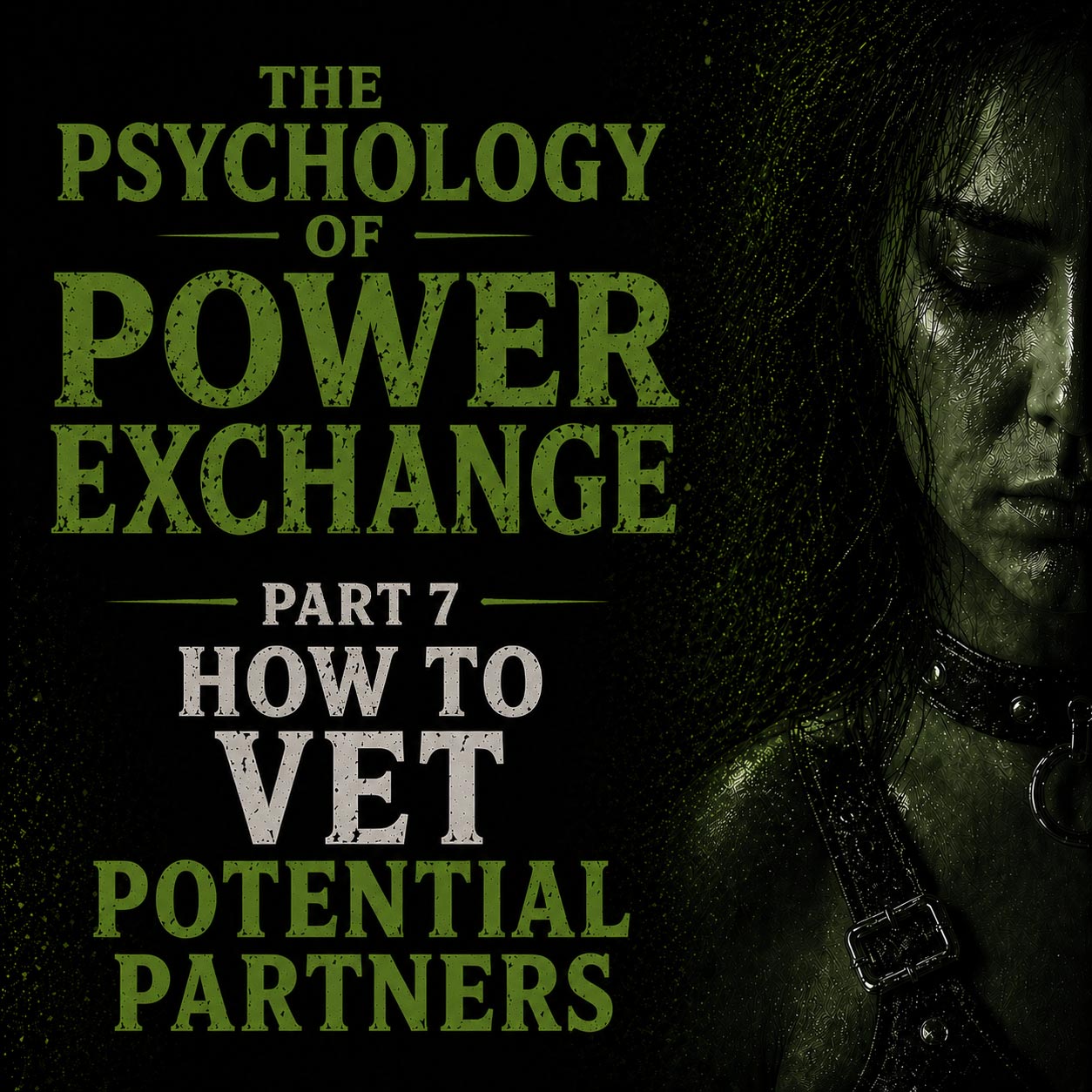
One of the most important skills anyone exploring BDSM can learn is how to recognize a healthy partner. Power exchange can create deep trust, vulnerability, and emotional exposure. When someone chooses to submit or lead within a dynamic, they are entering a space where communication, safety, and responsibility matter more than ever. Because of this, choosing the right partner is not just about attraction or curiosity. It is about character.
Learning how to evaluate potential Dominants, submissives, or partners can protect your emotional wellbeing, your physical safety, and the trust you place in another person. And the most responsible kinksters understand that this process takes time.
First Impressions Are Not Enough
When people first meet someone in the kink community, it is easy to focus on chemistry. Shared interests. Exciting conversations. Curiosity about exploring dynamics together. While these things can be wonderful, they are not enough to determine whether someone is a safe or compatible partner. Healthy vetting requires looking beyond first impressions. It means paying attention to how someone communicates, how they respond to boundaries, and how they handle responsibility. Because a strong dynamic is built on consistency over time, not just initial excitement.
Communication Reveals Character
One of the best ways to evaluate a potential partner is through conversation. Healthy partners welcome discussion. They are willing to talk about boundaries, expectations, experience levels, and safety practices. They answer questions openly rather than becoming defensive. They respect the pace of exploration rather than rushing toward intensity. Communication patterns reveal a great deal about someone’s mindset. Someone who values negotiation and discussion is far more likely to approach power exchange responsibly. Someone who avoids those conversations may not be ready for the responsibility that comes with BDSM dynamics.
Respect for Boundaries
A partner’s reaction to boundaries is one of the clearest indicators of their character. Healthy partners respect limits immediately and without argument. They understand that boundaries are part of ethical kink. They do not pressure someone to move faster than they are comfortable. They do not dismiss concerns or minimize fears. Instead, they encourage open communication and ensure that both partners feel safe. Respect for boundaries shows emotional maturity and empathy. And empathy is essential for any healthy power exchange dynamic.
Red Flags to Pay Attention To
While many people in the kink community approach BDSM responsibly, it is important to recognize warning signs that may indicate unhealthy behavior.
Some red flags include:
Ignoring or dismissing the importance of consent.
Rushing someone into intense dynamics quickly.
Claiming that “real” Dominance or submission does not require negotiation.
Discouraging communication with friends or community members.
Becoming defensive when asked about safety practices or experience.
These behaviors suggest a lack of responsibility.
Healthy power exchange requires patience, communication, and mutual respect.
Anyone unwilling to engage in those principles should be approached with caution.
Healthy Partners Encourage Questions
A trustworthy partner understands that curiosity and caution are part of responsible exploration.
They welcome questions.
They explain their approach to safety.
They discuss their expectations and listen carefully to yours.
Rather than rushing toward a dynamic, they focus on building understanding first.
This willingness to communicate openly is often a sign that someone takes their role seriously.
And that mindset creates the foundation for trust to grow.
Take Your Time
One of the best protections in kink is patience.
Healthy dynamics are not built overnight.
They develop through conversations, shared experiences, and growing trust.
Taking time to understand someone’s character allows you to see how they respond to different situations.
How do they handle disagreement?
How do they talk about past partners?
How do they respond when boundaries are discussed?
These observations provide insight that cannot be rushed.
And they help you make informed decisions about who you choose to trust.
Character Over Titles
In the kink world, people often identify themselves with titles.
Dominant.
Submissive.
Master.
Slave.
While these labels can help describe roles within a dynamic, they do not automatically reflect someone’s character.
A healthy partner is not defined by their title.
They are defined by their behavior.
How they treat others.
How they communicate.
How they handle responsibility.
Choosing partners based on character rather than titles helps create safer and more fulfilling dynamics.
Building Trust Over Time
When two people approach power exchange thoughtfully, trust grows naturally.
They communicate openly.
They respect boundaries.
They move forward at a pace that allows both partners to feel comfortable and confident.
This process may take time, but it creates something far more valuable than rushed intensity.
It creates a dynamic built on genuine understanding.
And that understanding is what allows power exchange to flourish safely.
The End of This Module, The Beginning of the Journey
With this article, we conclude the Psychology of Power Exchange module.
Throughout this series we have explored some of the most important psychological foundations of kink:
Discovering your role.
Understanding the difference between desires and curiosities.
Learning about limits and boundaries.
Understanding negotiation and communication.
Recognizing the importance of emotional safety.
And learning how to vet potential partners.
Each of these lessons helps new kinksters approach BDSM with greater awareness and responsibility.
But learning about power exchange does not end here.
In fact, it is only the beginning.
Call to Action
Take a moment to reflect on your own experiences.
What qualities do you believe define a trustworthy partner in BDSM?
Have you ever learned something important about vetting partners through experience?
Share your thoughts in the comments. Your perspective may help someone else navigate their own journey more safely.
If you found value in this series, consider exploring the Foundations of Power Exchange series, which explores the core principles of ethical D/s dynamics.
Both series are part of a larger kink education system currently in development, designed to help people build safe, communicative, and sustainable power exchange relationships.
More modules will continue expanding this system as it grows.
Education strengthens communities.
And informed kinksters create safer dynamics for everyone.